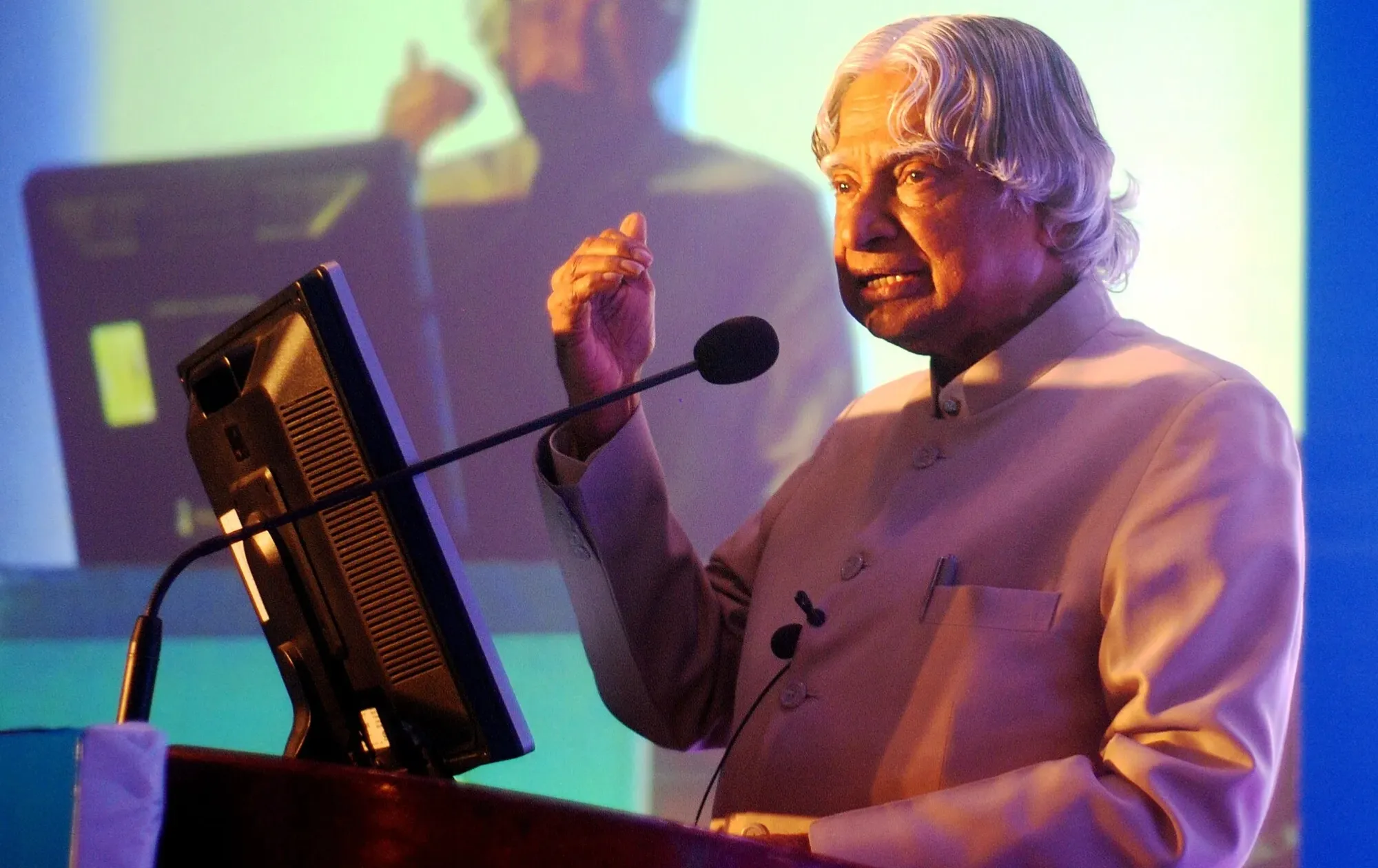
The Abdul Kalam biography is more than just a life story—it is a powerful narrative of determination, innovation, and national pride. Known as the “Missile Man of India,” A. P. J. Abdul Kalam rose from humble beginnings to become one of the most respected leaders and scientists in the world.
From shaping India’s defense capabilities to inspiring millions of students globally, his journey continues to trend in educational and motivational discussions even today. His legacy remains highly relevant, especially as nations increasingly focus on science, innovation, and youth empowerment.
Early Life and Background
Born on October 15, 1931, in Rameswaram, Tamil Nadu, Abdul Kalam came from a modest family. His father was a boat owner and imam, while his mother was a homemaker. Despite financial challenges, Kalam showed an early passion for learning and science.
He sold newspapers as a child to support his family, yet remained deeply committed to his education. His teachers recognized his potential early on, especially in mathematics and physics.
Kalam later graduated in physics from St. Joseph’s College and went on to study aerospace engineering at the Madras Institute of Technology. This academic foundation would become the stepping stone for his remarkable career.
Career Journey
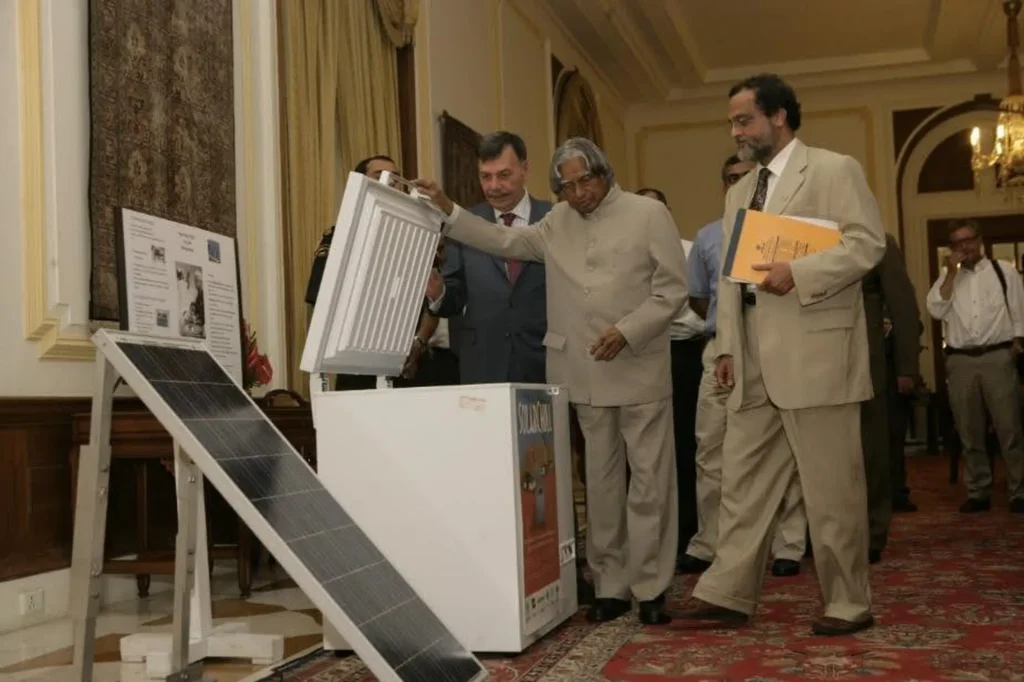
The Abdul Kalam biography takes a transformative turn when he joined India’s defense and space research programs.
Early Career at ISRO
Kalam began his career at the Indian Space Research Organisation (ISRO), where he played a key role in developing India’s first satellite launch vehicle (SLV-III). This achievement marked India’s entry into the space age.
Missile Development at DRDO
Later, he moved to the Defence Research and Development Organisation (DRDO), where he led the Integrated Guided Missile Development Program (IGMDP). Under his leadership, India successfully developed missiles like Agni and Prithvi.
Role in Nuclear Tests
Kalam also played a significant role in India’s Pokhran-II nuclear tests in 1998, which positioned India as a nuclear power on the global stage.
Becoming the President of India
In 2002, Kalam became the 11th President of India. Unlike traditional politicians, he was widely known as the “People’s President” due to his humble nature and connection with youth.
Major Achievements
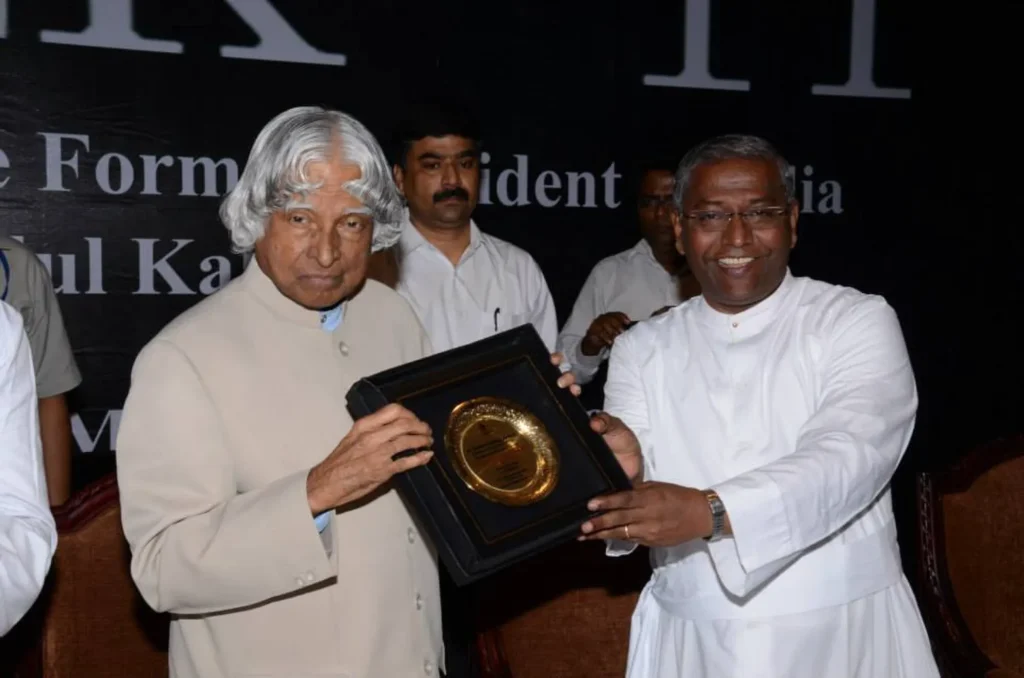
The Abdul Kalam biography is filled with groundbreaking achievements that shaped modern India.
Key Contributions:
- Led India’s missile development programs
- Played a pivotal role in nuclear tests
- Strengthened India’s defense capabilities
- Promoted science and technology education
Awards and Honors:
- Bharat Ratna (India’s highest civilian award)
- Padma Bhushan
- Padma Vibhushan
Author and Visionary
Kalam authored several influential books, including Wings of Fire, which continues to inspire millions worldwide.
Personal Life
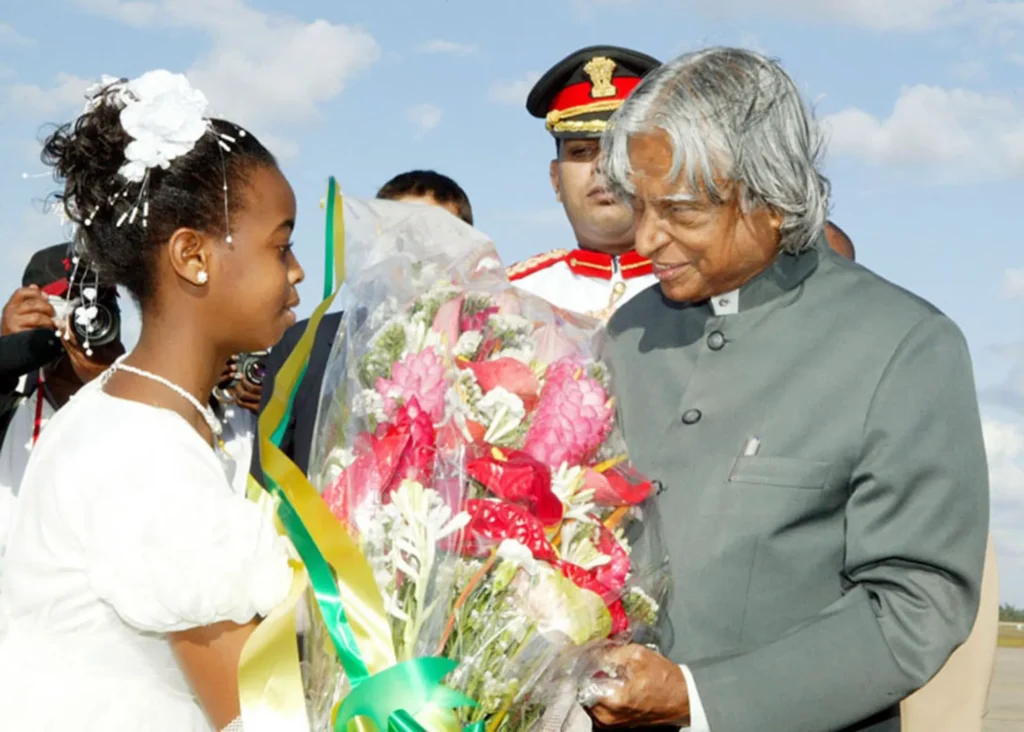
Despite his global fame, Abdul Kalam lived a simple and disciplined life. He never married and dedicated his entire life to science, education, and national service.
He was known for:
- Minimal lifestyle
- Deep spirituality
- Love for teaching students
Even after serving as President, he continued traveling across India to interact with young minds, encouraging them to dream big and innovate.
Latest News / Current Updates
Even years after his passing in 2015, the Abdul Kalam biography continues to remain relevant in current discussions.
Why Abdul Kalam is Trending Today:
- His birthday (October 15) is celebrated as World Students’ Day
- Educational institutions continue to include his teachings in curricula
- His quotes frequently trend on social media
- Government programs still reference his vision for a developed India
In recent years, there has been renewed interest in his ideas around sustainable development, space technology, and youth empowerment—topics that align with global priorities in 2026.
Interesting Facts
The Abdul Kalam biography includes several lesser-known yet fascinating facts:
- He was a vegetarian and practiced simple living
- Kalam played the veena, a classical Indian musical instrument
- He was deeply influenced by both science and spirituality
- He refused personal wealth and donated much of his earnings
- His last lecture was delivered at IIM Shillong, where he passed away
Conclusion
The Abdul Kalam biography stands as a timeless example of how dedication, humility, and vision can transform not only an individual’s life but also an entire nation.
From a small-town boy in Rameswaram to becoming the President of India and a global icon, Abdul Kalam’s journey is a blueprint for success driven by purpose and perseverance.
Even today, his life continues to inspire students, scientists, and leaders across the world. His message remains simple yet powerful: dream big, work hard, and serve humanity.
FAQs (Frequently Asked Questions)
1. Who is Abdul Kalam?
Abdul Kalam was an Indian aerospace scientist and the 11th President of India, widely known as the “Missile Man of India.”
2. Why is Abdul Kalam famous?
He is famous for his contributions to India’s missile and nuclear programs, as well as his role as a visionary leader and educator.
3. What are Abdul Kalam’s major achievements?
His major achievements include developing ballistic missiles, leading nuclear tests, and receiving the Bharat Ratna award.
4. What is Abdul Kalam’s most famous book?
His most popular book is Wings of Fire, an autobiography that inspires millions.
5. When did Abdul Kalam become President?
He became the President of India in 2002 and served until 2007.
6. Why is October 15 celebrated as World Students’ Day?
It is celebrated in honor of Abdul Kalam’s dedication to education and students.
7. What was Abdul Kalam’s vision for India?
He envisioned India as a developed nation driven by technology, innovation, and empowered youth.